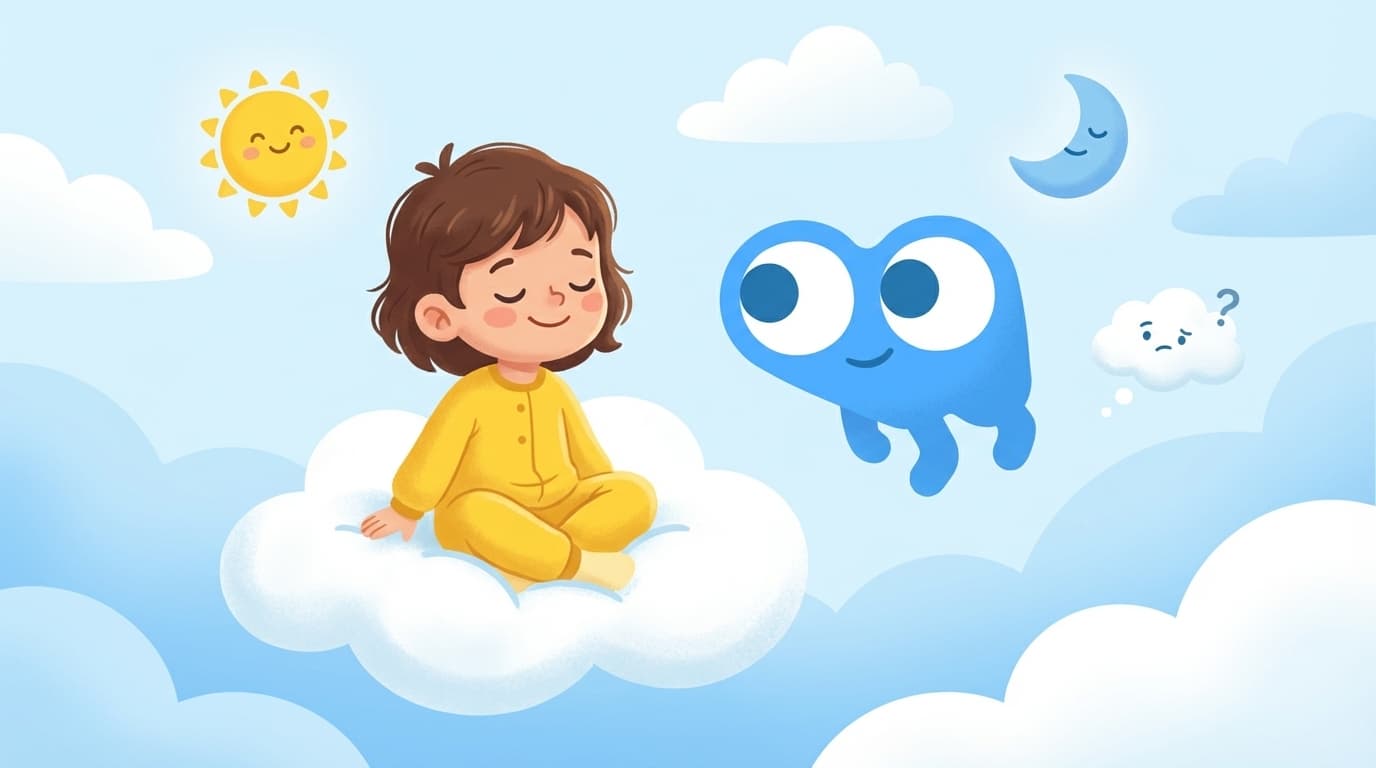
Children experience many emotions every day — joy, frustration, fear, excitement — but they don't always have the words to express them.
For kids aged 5 to 8, storytelling is one of the most natural ways to explore emotions in a safe, gentle, and meaningful way.
Stories Help Children Name What They Feel
When children listen to or create stories, they often identify with the characters.
Through those characters, they learn to recognize emotions without feeling judged or exposed.
Stories help children:
It's easier to say "the hero felt scared" than "I feel scared" — and that's exactly why stories work.
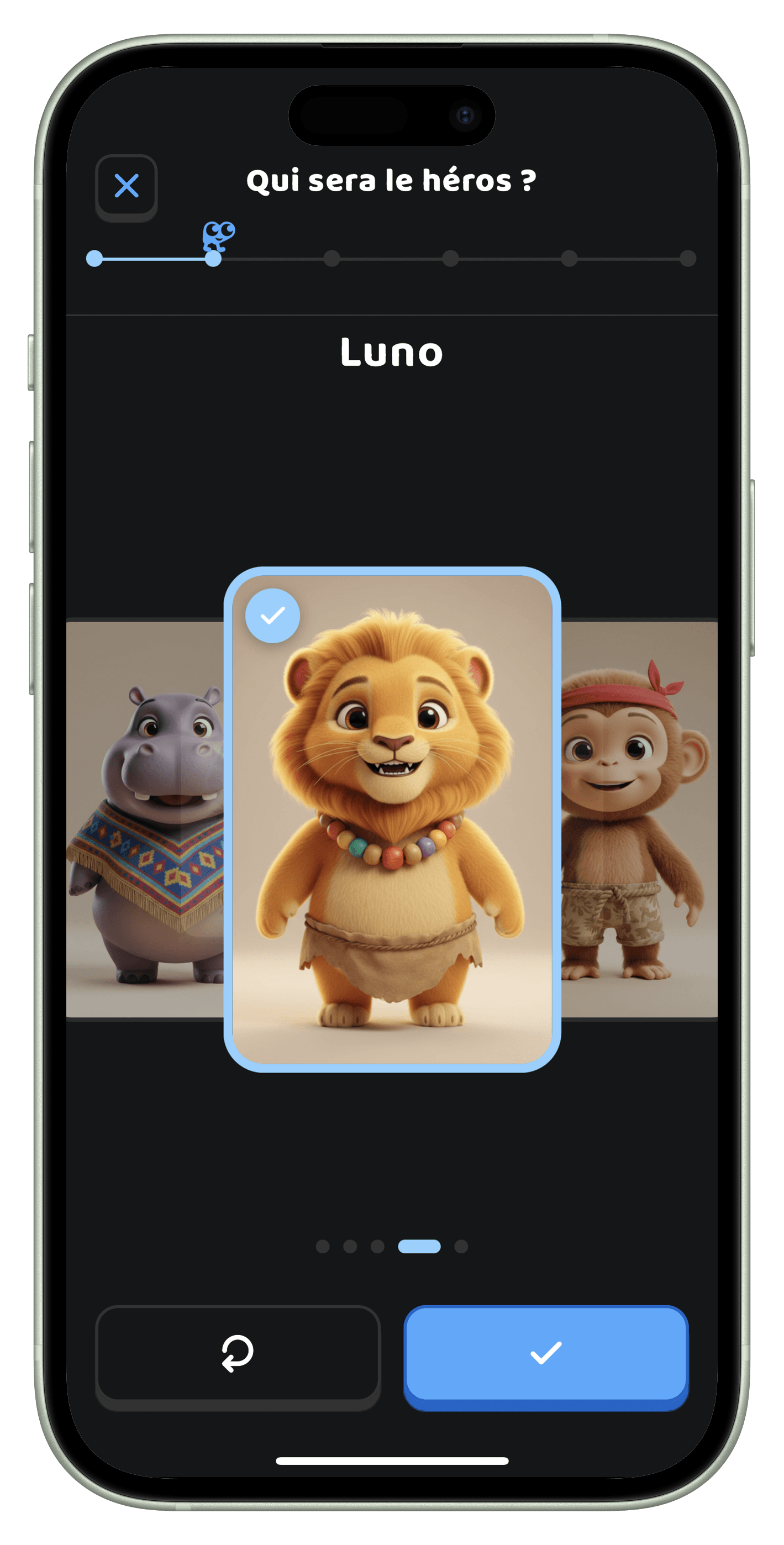
Discover Fidjoo
Transform passive screen time into creative storytelling moments. Let your children build their own animated storybooks!
Why a Familiar Voice Makes Emotional Learning Easier
Emotions feel safer when they're guided by someone a child trusts.
With Fidjoo, parents can record their own voice and become the narrative voice of their child's stories.
Hearing a parent's voice while a story unfolds helps children:
The voice becomes a comforting guide through the story.
A Gentle Alternative to Passive Screen Time
Not all screen time supports emotional development.
Fast, overstimulating content can overwhelm children.
Story-based experiences, especially those focused on emotions and imagination, encourage:
Used intentionally, screens can support emotional growth.
Stories That Build Emotional Intelligence
Helping children understand their emotions doesn't require long conversations or complex explanations.
Sometimes, all it takes is a story — told calmly, creatively, and in a familiar voice.
When storytelling becomes personal and emotional, children learn something essential:
their feelings matter, and they are not alone.